
Introduction
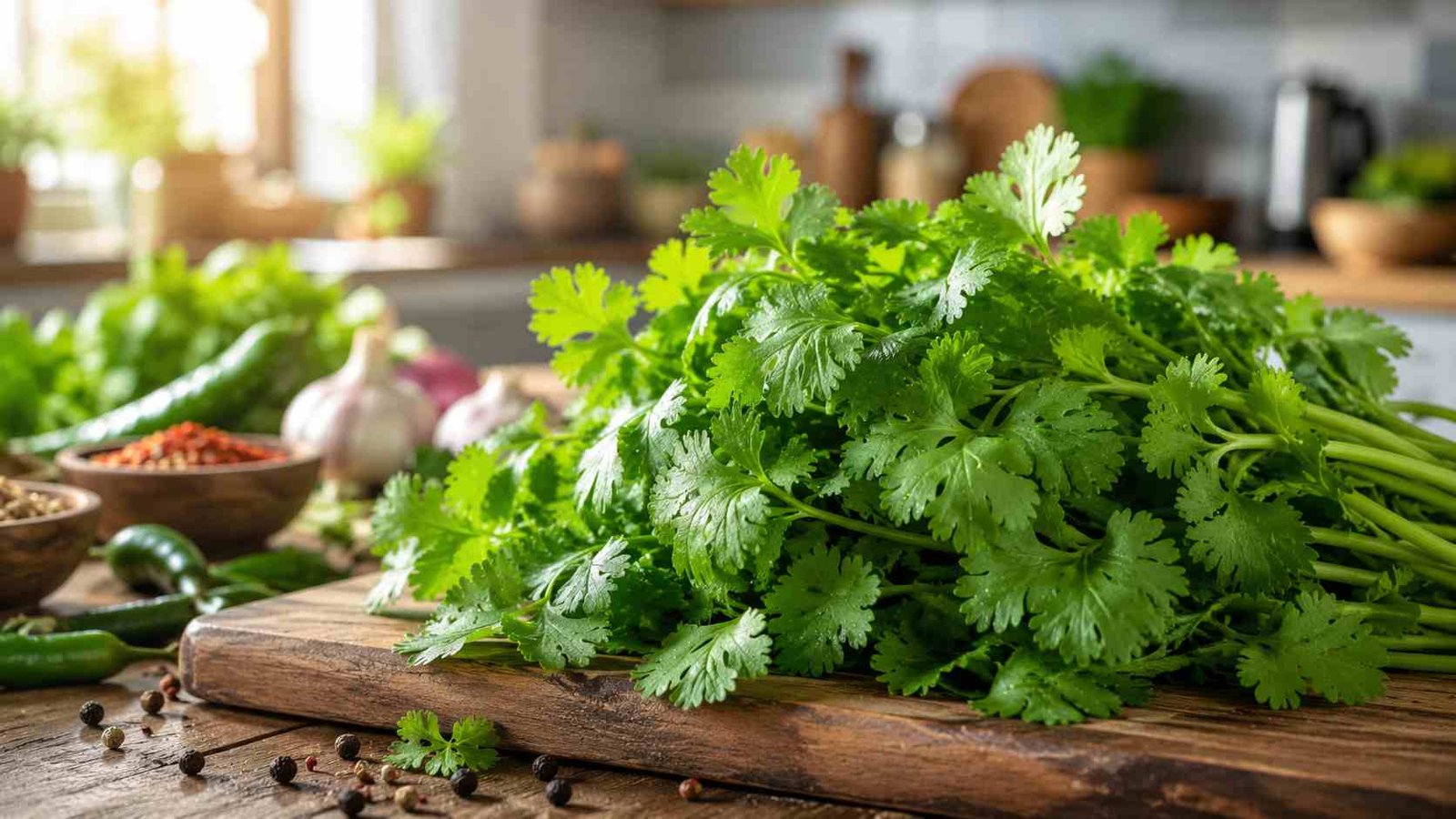
Koriandri is one of those simple green herbs that almost everyone has seen in their kitchen, but not everyone fully understands its value. From fresh salads to spicy curries, koriandri adds both flavor and health benefits in a natural way. Many people also call it coriander or cilantro, depending on where they live, but its uses go far beyond just taste.
In today’s health-conscious world, koriandri has become more popular because of its rich nutrients and natural healing properties. It is not just a garnish; it plays a strong role in digestion, immunity, and overall wellness. This article will help you understand everything about koriandri in a simple and practical way, from its origin to how you can grow it at home and use it in daily life.
What is Koriandri and Why It Matters in Daily Life
Koriandri is a green leafy herb widely used in cooking and natural remedies. It comes from the plant Coriandrum sativum and is known for its fresh aroma and slightly citrus-like taste. People use both its leaves and seeds in different forms, making it a highly versatile plant in kitchens around the world.
What makes koriandri special is its ability to enhance flavor without adding calories or artificial ingredients. It fits perfectly in healthy diets and traditional dishes. Whether you are preparing soups, salads, or curries, koriandri naturally improves taste while supporting nutrition at the same time.
Many cultures consider koriandri an essential herb for daily meals. It is affordable, easy to find, and grows in many climates. Because of these qualities, it remains one of the most commonly used herbs globally.
Origin of koriandri
Koriandri has a long history that goes back thousands of years. It is believed to have originated in the Mediterranean region and parts of Asia. Ancient civilizations used it not only as food but also as medicine.
Over time, koriandri spread to different parts of the world through trade routes. Today, it is grown in Asia, Europe, Africa, and the Americas. Its global presence shows how important and adaptable this small herb really is.
Even in ancient texts, koriandri was mentioned for its healing properties and digestive benefits. This historical background makes it more than just a kitchen ingredient.
Nutritional Profile of Koriandri Leaves
Koriandri is packed with nutrients despite being low in calories. It contains vitamins, minerals, and antioxidants that support overall health. This makes it an excellent addition to a balanced diet.
The leaves are especially rich in vitamin A, vitamin C, and vitamin K. These nutrients play a key role in improving immunity, skin health, and bone strength. Along with that, koriandri also contains small amounts of iron, calcium, and magnesium.
Because of its nutrient density, koriandri is often recommended in natural diets and detox plans. It supports the body without adding harmful fats or chemicals.
Vitamins and minerals breakdown
Vitamin A in koriandri supports good vision and skin health. Vitamin C helps strengthen the immune system and protects against infections. Vitamin K plays an important role in blood clotting and bone health.
Minerals like potassium help maintain healthy blood pressure levels. Iron supports red blood cell production, while calcium strengthens bones. Even though these nutrients are present in small amounts, they work together to improve overall health.
This combination makes koriandri a powerful natural food that supports the body in multiple ways.
Health Benefits of Koriandri You Should Know
Koriandri is not just a flavor enhancer; it is also known for its strong health benefits. Regular consumption may support digestion, improve immunity, and help in detoxification.
One of the key reasons people include koriandri in their diet is its natural antioxidant content. These antioxidants help the body fight harmful free radicals, reducing stress on cells.
It also has cooling properties, which makes it useful in hot climates. Many traditional systems of medicine use koriandri for balancing body heat and improving internal health.
Digestive health support
Koriandri is widely known for improving digestion. It helps stimulate digestive enzymes, making it easier for the stomach to break down food. This can reduce bloating and discomfort after meals.
Many people use koriandri juice or leaves to support gut health naturally. It is gentle on the stomach and works well even for people with sensitive digestion.
Regular use in meals can help maintain a healthy digestive system over time.
Blood sugar and heart benefits
Koriandri may also help in balancing blood sugar levels. Some studies suggest that it supports insulin function and helps regulate glucose levels in the body.
For heart health, koriandri can contribute by supporting healthy cholesterol levels. Its antioxidants help reduce inflammation in blood vessels, improving overall circulation.
These benefits make it a valuable herb for long-term wellness and lifestyle balance.
Culinary Uses of Koriandri in Everyday Cooking
Koriandri is one of the most widely used herbs in cooking. It adds freshness and aroma to dishes without overpowering other ingredients. Its flavor is light, citrusy, and refreshing.
You can use koriandri in both raw and cooked forms. Fresh leaves are often added at the end of cooking to preserve flavor. It is also used in chutneys, sauces, and garnishing.
In many cuisines, koriandri is a key ingredient that completes the dish and enhances overall taste.
Everyday cooking uses
Koriandri is commonly used in salads, soups, curries, and rice dishes. It is also blended into green chutneys and dips for added flavor.
In street food and fast food, koriandri is used as a topping to bring freshness. It balances spicy and rich flavors very well.
Even simple home-cooked meals become more aromatic and appealing with a handful of fresh koriandri leaves.
How to Grow Koriandri at Home Easily
Growing koriandri at home is simple and does not require much space. It can be grown in pots, gardens, or even small containers on balconies.
The plant grows best in cool to moderate climates and needs regular sunlight. It also requires well-drained soil and consistent watering for healthy growth.
With basic care, koriandri can grow quickly and provide fresh leaves within a few weeks.
Step-by-step home growing tips
Start by using good quality seeds and soaking them in water for a few hours. Plant them in loose soil and cover lightly.
Water the soil regularly but avoid overwatering. Place the pot in a sunny area where it can receive natural light.
Within 2–3 weeks, you will see fresh green leaves ready for harvesting and use in cooking.
Side Effects and Precautions of Koriandri
Although koriandri is generally safe, excessive consumption may cause mild side effects in some people. It can sometimes lead to sensitivity or allergic reactions.
People with low blood pressure should consume it in moderation as it may slightly lower blood pressure levels. Overuse can also cause digestive discomfort in rare cases.
It is always best to use koriandri in balanced amounts as part of a normal diet rather than in excess.
Buying and Storing Fresh Koriandri Properly
Choosing fresh koriandri is important to get the best flavor and nutrition. Fresh leaves are bright green, crisp, and free from yellow spots.
Always check for freshness before buying, especially in packaged herbs. Avoid wilted or damp leaves as they spoil quickly.
Proper storage helps maintain freshness for a longer time.
How to select fresh leaves
Look for bright green color and strong aroma. Fresh koriandri should feel firm and not slimy or dry.
If possible, buy from local markets where herbs are freshly harvested. This ensures better taste and nutrition.
Storing them in a slightly damp cloth inside the fridge can keep them fresh for several days.
Koriandri in Traditional Medicine and Culture
Koriandri has been used in traditional medicine for centuries. Many ancient healing systems considered it a natural remedy for digestion and detox.
It is also used in herbal teas and natural treatments in different cultures. Its cooling properties make it popular in hot regions.
This long history shows how deeply koriandri is connected to human lifestyle and wellness.
Cultural significance worldwide
In many countries, koriandri is more than just food. It is part of cultural identity and traditional cooking practices.
In Asian and Middle Eastern cuisines, it is a must-have herb. In Western cooking, it is widely used in salads and sauces.
Its global popularity shows how universally loved this simple herb really is.
FAQ’s
Q1: What is koriandri used for?
Koriandri is mainly used in cooking for flavor and aroma. It is also used in traditional remedies for digestion and detox. People add it to salads, curries, soups, and chutneys to enhance taste naturally while supporting overall health and nutrition.
Q2: Is koriandri good for health?
Yes, koriandri is rich in vitamins, minerals, and antioxidants. It supports digestion, immunity, and heart health. It may also help in balancing blood sugar levels. Regular use in moderate amounts can contribute to a healthier and more balanced lifestyle.
Q3: Can I grow koriandri at home easily?
Yes, koriandri is very easy to grow at home. You only need good soil, sunlight, and regular watering. It grows quickly in pots or small containers, and you can harvest fresh leaves within a few weeks of planting seeds.
Q4: Does koriandri have any side effects?
Koriandri is generally safe, but excess use may cause mild allergic reactions or low blood pressure in some people. It is best to consume it in balanced amounts as part of daily meals to avoid any discomfort or unwanted effects.
Q5: How should I store fresh koriandri?
Fresh koriandri should be stored in the refrigerator wrapped in a slightly damp cloth or paper towel. This helps keep it fresh for several days. Avoid washing before storage, as moisture can make it spoil faster.
Conclusion
Koriandri is more than just a simple kitchen herb; it is a powerful natural ingredient that supports both taste and health. From improving digestion to boosting immunity, it offers multiple benefits in everyday life. Its easy availability and simple growing process make it even more valuable for home use.Whether you use it in cooking, grow it at home, or include it in traditional remedies, koriandri fits perfectly into a healthy lifestyle. It has been trusted for centuries and continues to remain important in modern diets. Adding it regularly in balanced amounts can enhance both flavor and wellness naturally without effort.