
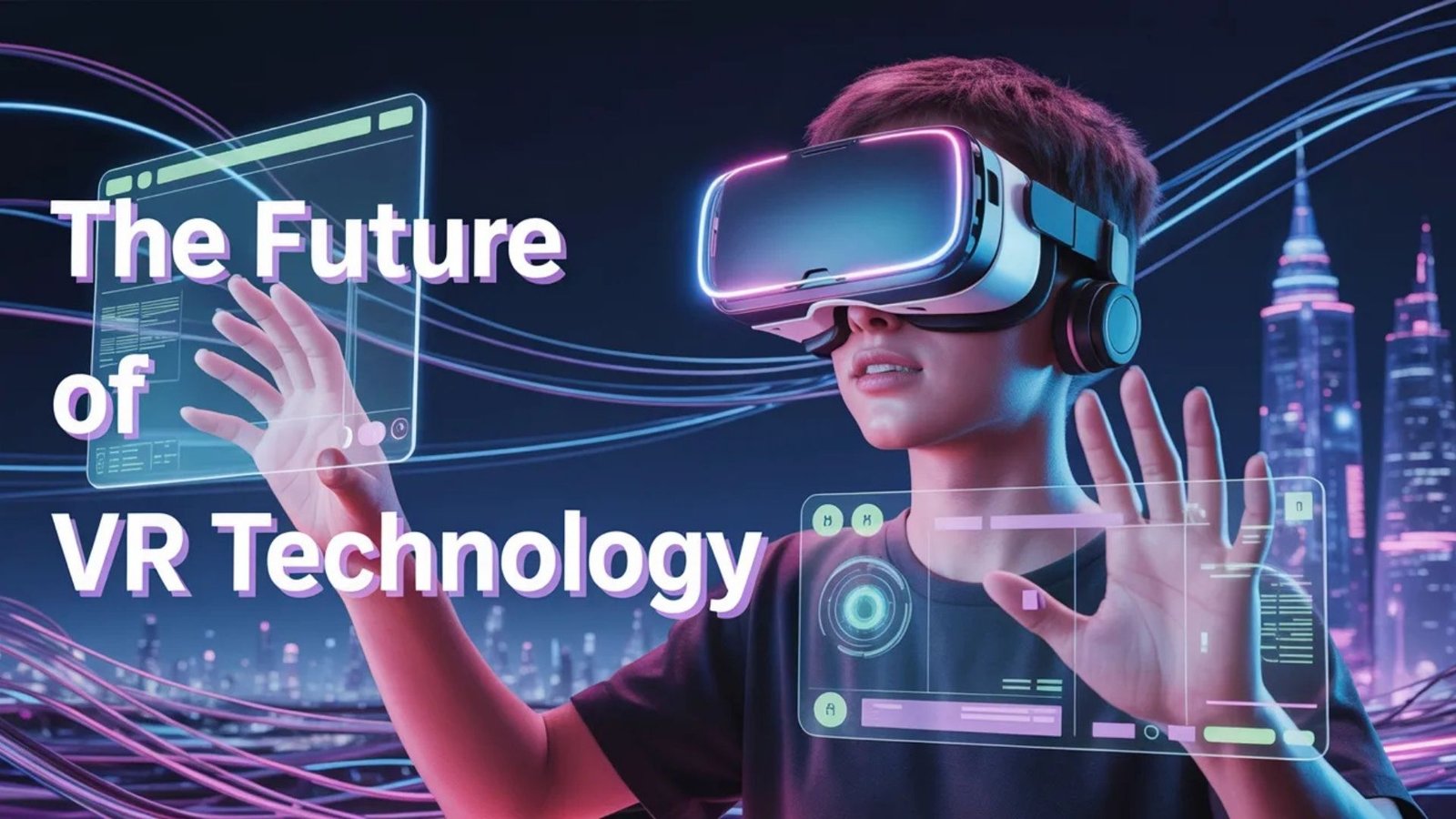
VR technology is changing the way people experience digital content, gaming, education, and online interaction. From immersive entertainment to virtual meetings, virtual reality is becoming a major part of modern technology trends. Businesses and creators are also exploring new ways to engage users through realistic digital experiences. As VR devices continue to improve, the technology is becoming more accessible and user-friendly for people around the world.
Virtual reality is no longer just a gaming concept — it is shaping the future of digital experiences in ways never seen before.
The Rise of VR Technology in Modern Life
VR technology has grown rapidly over the past few years and is now being used in many industries beyond gaming. Companies are integrating virtual reality into education, healthcare, real estate, tourism, and online entertainment. People can now explore virtual environments, attend digital events, and even participate in training programs without leaving their homes. This growing demand for immersive experiences has encouraged tech companies to invest heavily in VR innovation.
The increasing popularity of VR headsets has also made the technology more affordable for everyday users. Modern devices now offer better graphics, smoother performance, and improved comfort, making virtual reality more practical for long-term use. As internet speeds and hardware continue to improve, VR technology is expected to become even more advanced in the coming years.
How VR Technology Is Changing Digital Entertainment
Digital entertainment has experienced a major transformation because of VR technology. Users are no longer limited to watching content on traditional screens. Instead, they can interact with virtual environments and enjoy a more engaging experience. Streaming platforms, virtual concerts, and immersive storytelling are becoming increasingly popular among audiences who want deeper interaction with digital media.
Many online platforms are now focusing on immersive experiences that combine realistic visuals with interactive features. Platforms like VRSpy are also contributing to the growth of immersive VR experiences and virtual entertainment trends online. This shift shows how virtual reality is creating new opportunities for creators, developers, and entertainment companies across the digital industry.
Best VR Devices and Immersive Experiences
The success of VR technology is strongly connected to the quality of VR devices available in the market. Modern VR headsets now provide high-resolution displays, motion tracking, and realistic audio systems that enhance user immersion. Popular devices are designed to support gaming, professional workspaces, virtual events, and educational simulations.
Immersive experiences are becoming more realistic because of advancements in artificial intelligence and motion sensing technology. Users can now interact naturally with digital environments, making VR applications more engaging than traditional forms of entertainment. As developers continue to improve software and hardware integration, the future of immersive experiences looks highly promising.
Future Trends Shaping the VR Industry
The future of VR technology will likely include smarter devices, mixed reality integration, and more advanced virtual interaction systems. Experts believe that VR will play a significant role in remote work, online learning, healthcare simulations, and virtual social communication. Businesses are also investing in virtual environments to improve customer experiences and digital collaboration.
Artificial intelligence is expected to further enhance virtual reality experiences by creating more responsive and personalized environments. Faster internet technologies and cloud-based systems will also help VR platforms deliver smoother performance. These developments indicate that VR technology will continue to evolve as one of the most important innovations in the digital world.
Privacy and User Experience in Virtual Reality
As VR technology becomes more advanced, privacy and user safety are becoming important concerns. Many VR applications collect user data to improve performance and personalization. Because of this, companies must focus on secure systems and transparent privacy policies to maintain user trust.
User experience also remains a key factor in the growth of virtual reality. Comfortable hardware, easy navigation, and realistic interaction help users enjoy immersive environments without frustration. Developers are continuously working to improve accessibility and reduce technical limitations so that more people can benefit from VR technology in everyday life.
Conclusion
VR technology is transforming the digital world by creating more immersive and interactive experiences for users. From entertainment and education to business and communication, virtual reality continues to expand into new areas of modern life. As technology evolves, VR is expected to become more accessible, realistic, and influential across multiple industries. Businesses, creators, and users who embrace virtual reality today will likely play an important role in shaping the future of digital experiences.
Also read: