
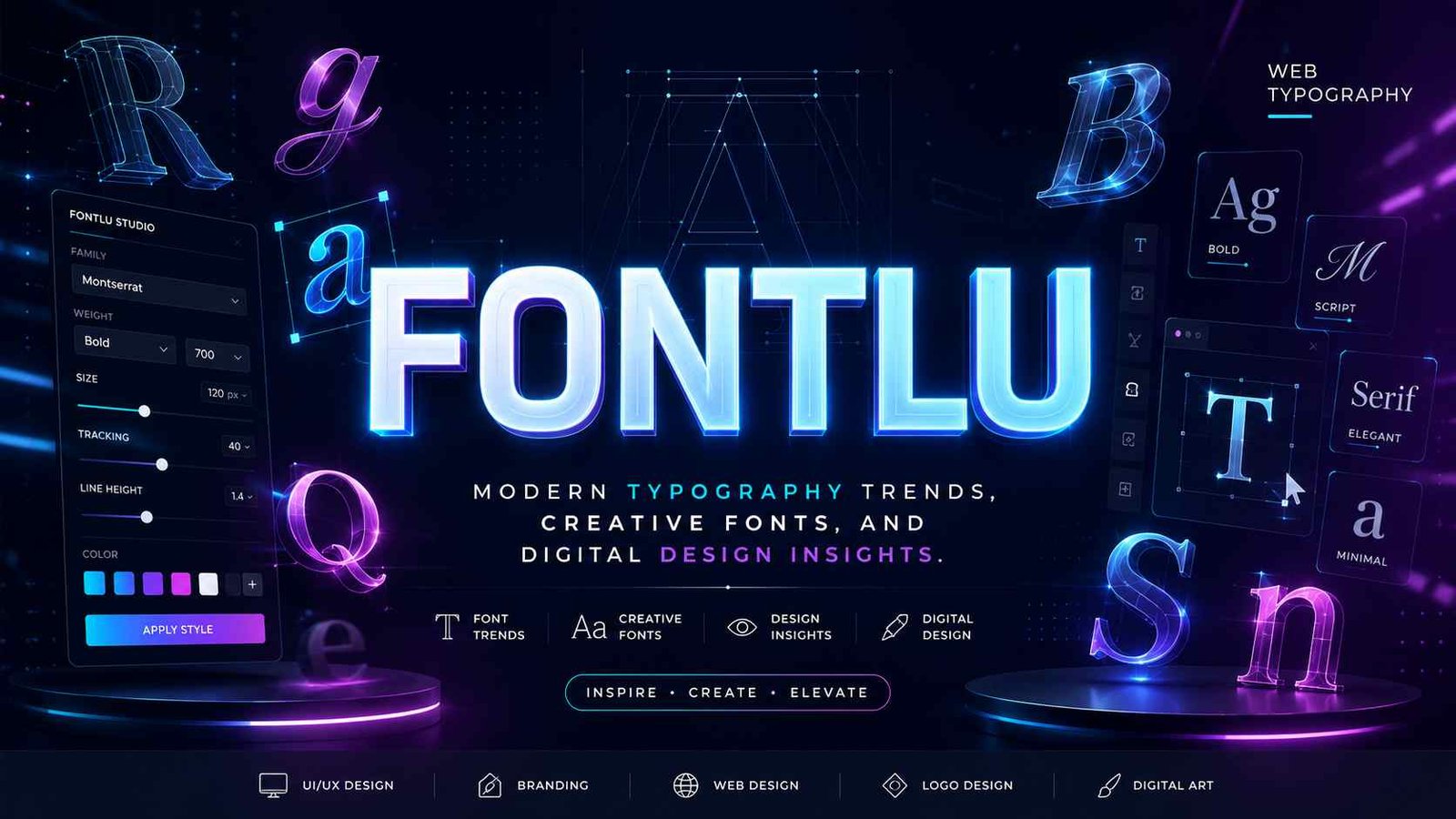
What Is Fontlu and Why Is It Getting Attention?
Fontlu is becoming a topic of interest among people who work with design, branding, and digital content. Many users search for new ways to improve the visual style of websites, social posts, presentations, and creative projects. A strong font can completely change how content feels to readers. That is why platforms and tools related to typography are growing quickly online.
The word fontlu is often connected with modern typography trends and creative font usage. People want fonts that look clean, professional, and easy to read on mobile devices. At the same time, creators also want unique styles that help their work stand out in crowded digital spaces. This mix of creativity and readability makes typography more important than ever before.
Businesses, bloggers, and social media creators all depend on strong visual presentation. Even simple text can feel premium when paired with the right typography style. Users now pay close attention to font appearance because it affects trust, engagement, and overall user experience. A good font choice can keep visitors reading longer and improve the way a brand is remembered.
Typography is no longer limited to graphic designers alone. Students, marketers, YouTubers, and small business owners also care about visual presentation today. Because of this shift, interest in platforms like fontlu continues growing as more people explore creative font solutions for digital communication.
How Fontlu Fits Into Modern Digital Design
Modern digital design depends heavily on visual balance. Fonts help organize information and guide the eyes of readers across a page. Fontlu represents the growing demand for flexible typography tools that support websites, videos, advertisements, and online branding. Clean typography creates a smoother experience and helps content feel more professional.
Today, mobile users make up a huge part of internet traffic. Fonts must remain readable on small screens while still looking attractive. Designers now search for typography systems that work across different devices without losing quality. This has increased interest in modern font platforms and creative design tools.
Digital creators also use typography to build emotional connection. Bold fonts may create energy, while softer styles feel elegant or calming. Through proper typography, brands can communicate personality without saying much at all. Font selection has become part of storytelling rather than just decoration.
As online competition increases, visual identity matters more than before. A recognizable font style helps businesses create consistency across websites, social posts, packaging, and marketing materials. This is one reason why typography-focused platforms continue gaining attention from creators worldwide.
The Growing Importance of Typography Online
Typography affects how people feel when they visit a website or see a design. Readers often decide within seconds whether content looks trustworthy or outdated. Good typography improves comfort and encourages visitors to stay longer on a page. Poor font choices can make even useful content difficult to enjoy.
Modern websites are designed around user experience. Fonts influence spacing, reading speed, and visual flow. Clean typography helps readers focus without feeling overwhelmed. Many businesses now understand that typography is part of customer satisfaction and brand identity rather than a small design detail.
Social media has also increased the importance of typography. Users scroll quickly through content every day. Strong font styles help posts grab attention instantly. Creators use typography to highlight key messages, build recognition, and create visually memorable content for audiences across multiple platforms.
Digital marketing trends continue pushing visual quality higher each year. Brands that ignore typography often struggle to look modern or competitive. Whether someone runs a blog, online store, or YouTube channel, font quality now plays a major role in audience perception and engagement.
Why Fonts Influence User Experience
Fonts directly affect readability. If text feels crowded or confusing, readers usually leave quickly. Clean typography allows visitors to absorb information naturally without extra effort. This creates a smoother experience and helps users stay engaged with the content longer.
Typography also controls emotional tone. Elegant serif fonts may feel traditional and trustworthy, while modern sans-serif fonts appear simple and clean. Designers choose fonts carefully because different styles create different emotional reactions in viewers.
User experience becomes even more important on mobile devices. Small screens require fonts that remain sharp and easy to understand. Platforms connected with modern typography focus heavily on responsive design because mobile readability now impacts overall engagement and search visibility.
Visual consistency is another important factor. When typography remains balanced across pages, users feel more comfortable navigating content. Consistent design improves trust and makes websites appear organized and professional. That is why typography decisions often receive significant attention during branding projects.
Main Features That Make Fontlu Useful
One reason fontlu attracts attention is the focus on flexibility and creative control. Users want font systems that can work for websites, graphics, branding, and digital media without feeling limited. A strong typography platform should offer multiple styles that match different moods and project goals.
Customization is extremely valuable for creators. Designers often need adjustments in weight, spacing, size, and alignment to achieve the perfect visual result. Typography tools that support these changes allow users to create more polished and professional content across different platforms.
Another useful feature involves compatibility. Fonts must display properly on mobile phones, tablets, and desktop screens. Modern typography systems are expected to remain visually consistent across devices. Readers should experience the same quality whether they access content from a laptop or a smartphone.
Ease of use also matters. Many people interested in typography are not professional designers. They need simple systems that help them experiment with fonts without complicated learning curves. User-friendly typography tools appeal to beginners while still offering advanced options for experienced creators.
Customization Options for Different Projects
Every project has different visual needs. A gaming channel may require bold futuristic typography, while a fashion brand may prefer elegant minimalist fonts. Customization helps users match typography with the tone and purpose of their content.
Font spacing plays a surprisingly important role in readability. Slight adjustments can make text feel cleaner and easier to understand. Good typography systems allow creators to control these details so designs appear balanced and professional.
Color pairing is another major part of customization. Fonts should complement background colors and overall branding style. Strong typography tools help creators experiment with combinations that improve visual impact without making designs feel overwhelming.
Creative flexibility supports stronger branding. When businesses can adapt typography for logos, websites, advertisements, and social posts, they build a more recognizable identity. This consistency improves trust and helps audiences remember the brand more easily over time.
How Designers Use Fontlu for Branding
Branding is about creating a recognizable identity that people remember. Typography helps businesses express personality and values through visual style. Many designers explore platforms like fontlu because font selection strongly affects how audiences view a company or creator.
Luxury brands often use elegant typography to communicate sophistication. Technology companies usually choose cleaner and more modern font styles. Restaurants, fitness brands, and entertainment channels all use typography differently depending on the audience they want to attract.
Typography also improves consistency across marketing materials. Businesses use the same font style on websites, packaging, social media, and advertisements to create a unified appearance. This consistency builds familiarity and makes brands easier to recognize.
Strong branding requires emotional connection. Fonts can create feelings of excitement, trust, creativity, or simplicity. Designers carefully test typography combinations because even small visual changes can affect how people respond to a brand online.
Choosing Fonts That Match Brand Personality
Every brand has a personality. Some aim to feel playful and energetic, while others want to appear professional and reliable. Typography helps communicate these traits instantly before users even begin reading the content itself.
Bold fonts often work well for sports or entertainment brands because they create energy and confidence. Thin minimalist fonts are popular with luxury and fashion companies because they feel modern and elegant. Choosing the wrong style can confuse audiences about the brand identity.
Readability should never be ignored during branding. Some decorative fonts look attractive but become difficult to read on smaller screens. Designers balance creativity with usability so branding remains effective across all platforms and devices.
Consistency is the final key. A business that changes typography styles constantly may appear unorganized. Keeping a stable visual identity helps audiences remember the brand and creates a more professional impression over time.
Fontlu for Social Media and Content Creation
Social media content moves very quickly. Creators only have a few seconds to capture attention before users continue scrolling. Typography helps content stand out by making messages visually engaging and easier to understand at a glance.
Influencers and content creators use typography to build recognizable styles. Many successful creators use similar fonts across thumbnails, Instagram posts, and videos to strengthen their identity. Audiences begin associating those visual patterns with the creator’s brand.
Video content also relies heavily on typography. Captions, titles, and animated text improve viewer engagement and accessibility. Clear typography helps users follow information even when videos are watched without sound on mobile devices.
Digital creators now compete in highly crowded spaces. Typography provides a simple way to improve visual quality without requiring expensive production equipment. A clean and attractive design can make content appear more polished and professional immediately.
Creating Eye-Catching Visual Content
Attention-grabbing visuals often combine strong typography with balanced design. Large headings, bold contrast, and readable layouts help viewers notice important information quickly. Creators use these techniques to improve engagement across different platforms.
Text placement matters just as much as font choice. Crowded designs can feel stressful and difficult to follow. Smart spacing helps typography breathe naturally while guiding users through the content in a smooth and comfortable way.
Color contrast is another major factor in visibility. Fonts should stand out clearly against backgrounds without becoming harsh or distracting. Effective typography balances creativity with readability so audiences can absorb messages instantly.
Creators also experiment with layered typography effects, shadows, and motion graphics. These techniques add personality while keeping content visually dynamic. When used carefully, typography can transform simple posts into highly memorable visual experiences.
Benefits of Using Modern Typography Platforms
Modern typography platforms save time and improve creative quality. Instead of searching endlessly for usable fonts, creators can access organized collections designed for digital projects. This helps designers focus more on creativity and less on technical limitations.
Professional typography improves credibility. Websites with balanced fonts appear cleaner and more trustworthy. Visitors often judge quality based on visual presentation before they evaluate the actual content. Good typography creates stronger first impressions.
Another important benefit involves adaptability. Modern font systems are designed for responsive layouts across multiple devices. Readers experience consistent readability whether using smartphones, tablets, or large desktop monitors. This flexibility improves accessibility and overall user satisfaction.
Typography also supports stronger communication. Clear font choices help readers understand information faster and reduce confusion. Whether someone creates educational content, advertisements, or blogs, typography directly affects how effectively messages are delivered.
How Better Fonts Improve Readability
Readable typography keeps users engaged longer. When text flows naturally, readers can focus on ideas instead of struggling to understand letters and spacing. Comfortable reading experiences encourage visitors to continue exploring a website or article.
Line spacing and font size contribute heavily to readability. Tight layouts often feel stressful and difficult to scan. Balanced typography creates breathing room that makes information easier to process on both desktop and mobile screens.
Modern digital audiences consume huge amounts of information daily. Readers prefer content that feels simple and visually organized. Typography helps reduce mental fatigue by presenting information clearly and efficiently.
Search engines also value positive user experience. Visitors who stay longer on pages may signal higher content quality. While typography alone cannot improve rankings, better readability supports stronger engagement and overall site performance.
Common Challenges Users Face With Fonts
Despite the benefits of typography, many users struggle with font selection. One common problem is choosing styles that do not match the purpose of the project. A font that works well for gaming content may feel inappropriate for a law firm or educational website.
Another challenge involves overusing decorative typography. Some creators focus too much on uniqueness and ignore readability. Highly complex fonts may look interesting initially but quickly become frustrating during longer reading sessions.
Technical compatibility can also create problems. Certain fonts display differently across devices or browsers. Designers must test typography carefully to ensure consistency and avoid unexpected formatting issues for users.
Beginners often combine too many fonts within a single project. This creates visual confusion and weakens overall design quality. Simpler typography systems usually create stronger and more professional results than overloaded designs.
Mistakes That Can Ruin Visual Design
One major mistake is ignoring spacing. Crowded text blocks feel uncomfortable and reduce readability. Proper spacing between letters, lines, and sections helps content appear cleaner and easier to follow.
Another issue is poor contrast between text and background colors. Light fonts on bright backgrounds may become difficult to read. Effective typography always prioritizes visibility before artistic effects.
Inconsistent typography damages branding. Switching between unrelated font styles creates a messy appearance that weakens visual identity. Strong brands maintain stable typography choices across all digital platforms and marketing materials.
Oversized text can also become distracting. Headlines should stand out without overpowering the entire design. Balance is important because typography works best when it supports the content naturally rather than competing against it.
Tips to Get Better Results With Fontlu
Successful typography starts with simplicity. Beginners often achieve stronger results by using clean fonts and balanced layouts instead of complicated effects. Minimalist typography usually remains more timeless and adaptable across different platforms.
Testing designs on multiple devices is another smart habit. A font that looks attractive on a large monitor may appear too small or crowded on mobile screens. Responsive typography helps maintain quality for all users.
Creators should also limit the number of font styles used within one project. Using two or three complementary fonts often creates enough variety while preserving visual consistency and readability.
Studying successful brands can provide inspiration as well. Many major companies use simple typography systems that focus on clarity and recognition. Observing these design patterns helps creators understand how professional typography supports branding and communication.
Combining Fonts Without Looking Messy
Font pairing requires balance. Designers often combine one bold headline font with a simpler body font to create contrast without overwhelming readers. This approach improves structure and visual flow naturally.
Matching mood and style is important when pairing typography. Elegant fonts should generally work with other refined styles, while playful typography fits better with energetic visual themes. Random combinations usually appear inconsistent and confusing.
Size hierarchy helps organize information clearly. Large headings guide readers through sections while smaller body text supports comfortable reading. Structured typography improves navigation and makes content easier to scan quickly.
Consistency remains the key to successful font pairing. Once a style system is chosen, repeating it throughout the design creates harmony and professionalism. Stable typography patterns help users feel more comfortable engaging with content.
The Future of Typography and Digital Creativity
Typography continues evolving alongside digital technology. Modern creators expect fonts to work smoothly across websites, apps, videos, and interactive media. Responsive design and mobile optimization will remain major priorities in future typography development.
Artificial intelligence is also influencing design trends. AI-powered systems now help creators generate layouts, suggest font combinations, and improve readability automatically. These tools may make professional typography more accessible for beginners in the coming years.
Personalized branding will likely increase the demand for unique typography styles. Businesses want stronger visual identities that separate them from competitors online. Custom typography helps brands create memorable experiences for audiences across digital platforms.
The future of typography will balance creativity with usability. Readers still value clear communication above everything else. As design trends continue changing, strong typography will remain essential for branding, storytelling, and online engagement.
FAQ’s
1: What is fontlu used for?
Fontlu is commonly connected with typography, creative fonts, and digital design trends. People use it to explore better font styles for websites, branding, social media content, and visual projects. It helps creators improve readability and visual appeal in online communication.
2: Why are fonts important in digital design?
Fonts affect readability, user experience, and brand identity. A good font makes content easier to understand and visually attractive. Strong typography also helps websites and social media posts look more professional, which can improve audience engagement and trust.
3: Can beginners learn typography easily?
Yes, beginners can learn typography with practice and simple design principles. Starting with clean fonts, proper spacing, and balanced layouts helps new users create professional-looking content without advanced graphic design experience.
4: How many fonts should I use in one design?
Most designers recommend using two or three fonts in one project. Too many styles can make content look messy and confusing. Simple combinations usually create cleaner, more organized, and visually appealing designs.
5: Does typography affect SEO and engagement?
Typography can improve user experience, which may support better engagement. Readable fonts encourage visitors to stay longer on a page and interact with content more comfortably. While typography alone does not control SEO, it supports overall website quality.
Conclusion
Fontlu reflects the growing importance of typography in modern digital design. Fonts now play a major role in branding, readability, social media content, and online communication. Businesses and creators understand that strong typography helps content feel professional, memorable, and easier to engage with across devices. From website design to visual storytelling, typography continues shaping how people experience digital content every day. As technology evolves, creative font systems and modern typography platforms will remain valuable tools for designers, marketers, and online creators looking to build stronger visual identities.