Introduction
Workplaces are changing quickly, and employee expectations are changing with them. People no longer want complicated routines that waste time during busy workdays. They want simple systems that make daily tasks easier, including lunch planning. This is one reason why bjudlunch has started gaining attention among modern businesses and remote teams. The idea behind bjudlunch connects with digital lunch coordination, workplace meal organization, and smarter team collaboration through food management tools.
In many offices, lunch breaks used to feel unorganized. Employees spent too much time deciding what to eat, collecting group orders, or waiting for delayed deliveries. These small problems may not seem important at first, but they can affect productivity, energy, and workplace mood throughout the day. Smart lunch platforms aim to solve these issues by offering a more organized and user-friendly system.
As hybrid work and flexible schedules become more common, businesses are looking for practical ways to improve employee experience. Digital lunch solutions are now part of that conversation. This guide explains how bjudlunch works, why companies are interested in it, and how it supports better workplace culture in modern environments.
What Is Bjudlunch and Why Is It Trending?
Bjudlunch is commonly linked with digital lunch management and workplace meal coordination systems. The concept focuses on making lunch planning easier for employees, managers, and teams. Instead of relying on random group chats or last-minute discussions, users can organize meals through one centralized platform.
The growing popularity of workplace wellness has played a major role in this trend. Businesses are realizing that employee comfort directly affects productivity and job satisfaction. A smooth lunch experience may sound simple, but it helps reduce stress during busy workdays. Employees who enjoy organized routines often feel more comfortable and focused throughout the afternoon.
Another reason behind the popularity of digital lunch tools is the rise of remote and hybrid work. Many employees are no longer working from one office location every day. Companies need systems that support flexible schedules while still creating a sense of connection between coworkers. Bjudlunch-style platforms help bridge that gap through shared meal experiences and organized lunch coordination.
Recent workplace studies also show that proper lunch breaks can improve focus and reduce burnout. Employees who regularly take balanced meal breaks often report better energy levels and improved concentration during long working hours. Businesses are paying closer attention to these trends because healthier employees usually perform better over time.
The Idea Behind the Bjudlunch Concept
The main idea behind bjudlunch is convenience mixed with organization. Traditional office lunch planning often becomes messy, especially in larger teams. Employees may spend too much time discussing restaurants, collecting payments, or managing dietary requests. Digital lunch systems simplify this process through one easy platform.
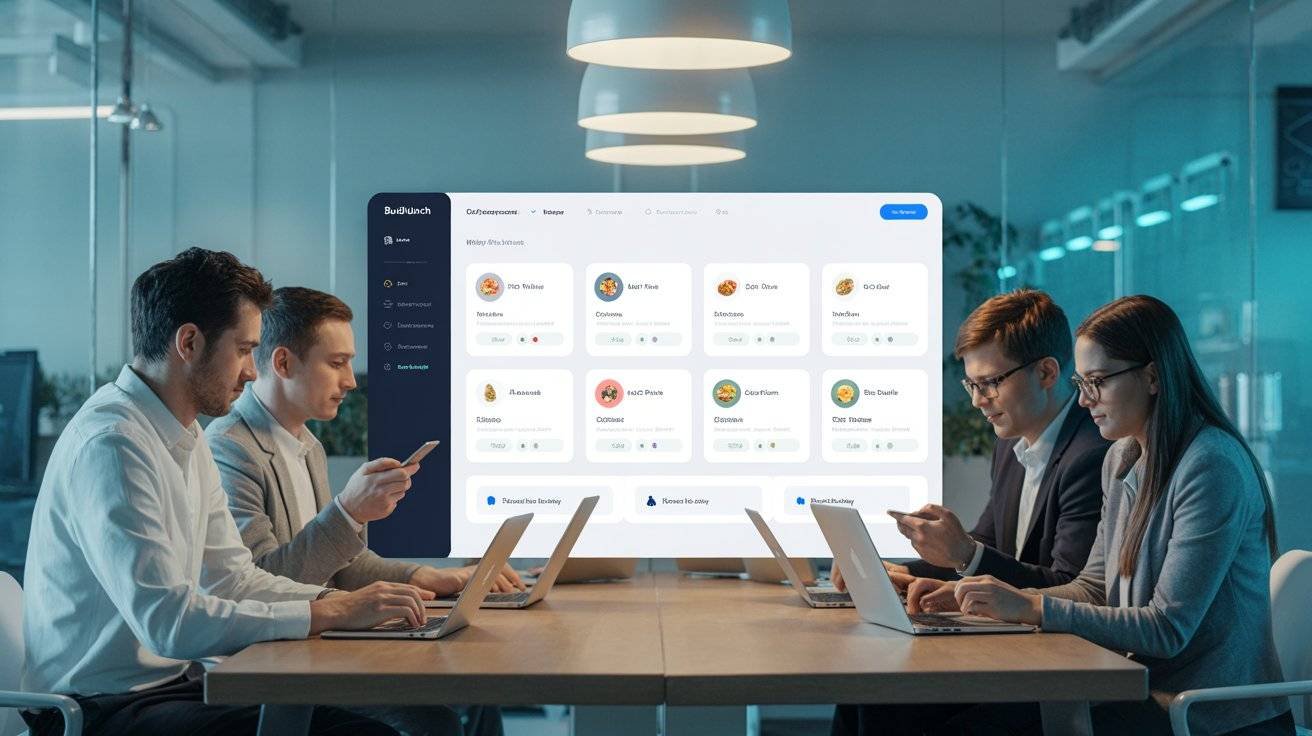
Instead of sending endless messages, employees can quickly view menus, place orders, and join team lunches in minutes. This saves time and reduces confusion during busy schedules. The system creates a smoother routine that allows workers to focus more on their responsibilities instead of lunch coordination problems.
Another important part of the concept is inclusivity. Modern workplaces include employees with different food preferences, allergies, and dietary restrictions. Smart lunch platforms allow users to personalize their meal choices, creating a more comfortable experience for everyone involved. Employees appreciate systems that recognize individual needs instead of offering limited options.
How Digital Lunch Platforms Changed Workplace Culture
Digital lunch platforms have slowly transformed workplace culture in many companies. In older office environments, lunch breaks were often rushed or poorly organized. Some employees skipped meals because they did not want to deal with complicated ordering processes or crowded restaurants.
Today, companies understand that lunch breaks can support teamwork and employee well-being. Organized meal systems encourage employees to take proper breaks and interact with coworkers more naturally. Casual conversations during lunch often help teams build stronger relationships outside formal meetings.
Some startups and remote companies now organize weekly virtual lunch sessions. Employees order meals through a shared system and join online conversations while eating together. These small activities help remote workers feel connected to company culture even when working from different cities. Businesses have noticed that simple social interactions can improve morale and communication across teams.
Key Features That Make Bjudlunch Different
One reason bjudlunch stands out is its focus on simplicity. Many workplace tools become difficult because they include too many complicated features. Smart lunch systems work best when employees can use them quickly without confusion. Easy navigation and clear organization help improve the overall user experience.
Meal scheduling is another valuable feature. Employees can select meals ahead of time instead of making rushed lunch decisions every day. Advance planning helps teams avoid delays and reduces stress during busy schedules. Restaurants and food providers also benefit because they receive clearer order information earlier.
Customization plays an important role as well. Employees often have different dietary needs, including vegetarian meals, allergy restrictions, or healthier food preferences. Personalized meal options make the platform more practical and user-friendly for diverse workplaces.
Some businesses also use reporting tools connected to digital lunch systems. Managers can track lunch budgets, employee participation, and ordering trends. This information helps companies improve meal programs and reduce unnecessary spending over time.
Smart Meal Planning and Scheduling
Meal planning tools help employees create more organized daily routines. Instead of wasting time discussing lunch options every afternoon, workers can schedule meals in advance. This simple improvement makes the workday feel smoother and more predictable.
Companies with large teams often struggle with lunch coordination because everyone has different preferences and schedules. Smart planning systems reduce confusion by creating clear ordering timelines and organized communication channels. Employees know exactly when and how to place orders.
Research related to workplace productivity suggests that structured meal routines can improve energy levels during long working hours. Employees who eat proper meals regularly are often more focused during afternoon tasks compared to workers who skip lunch or rely on unhealthy snacks.
Easy Team Collaboration Through Food Management
Food naturally brings people together, and digital lunch systems help make that process easier in workplaces. Team members can join group orders or shared lunch events without long discussions or complicated coordination. The system handles most of the organization automatically.
These shared lunch experiences may seem small, but they can positively affect workplace relationships. Employees often feel more comfortable talking casually during meals, which improves communication and teamwork later during projects or meetings.
Many companies now use lunch activities as part of employee engagement programs. Some organize monthly team lunches, while others provide meal credits during important meetings or training sessions. Digital coordination tools make these activities easier to manage without creating extra pressure for managers
How Bjudlunch Works in Daily Life
In daily workplace use, bjudlunch focuses on making meal coordination simple and fast. Employees typically access the system through a mobile app or online dashboard where they can browse menus, join group lunches, and customize meal preferences. The process usually takes only a few minutes.
Many offices use digital lunch systems for regular workdays, company meetings, workshops, or employee appreciation events. Instead of relying on scattered communication, all lunch-related details remain organized in one location. This reduces mistakes and improves efficiency.
The flexibility of these systems is especially useful for hybrid teams. Employees working remotely can still participate in lunch programs through delivery services or digital meal allowances. This helps remote workers feel included even when they are not physically present in the office.
Some businesses have also noticed positive effects on productivity after introducing organized lunch management. Employees spend less time discussing food logistics and more time focusing on important work responsibilities. Small operational improvements can create meaningful long-term benefits for growing companies.
Benefits of Using Bjudlunch for Businesses
Businesses constantly look for ways to improve employee satisfaction without creating unnecessary costs or complexity. Bjudlunch-style systems support this goal by simplifying daily lunch coordination and reducing workplace stress. Employees appreciate routines that feel organized and easy to follow.
Another major advantage is improved workplace culture. Shared meal experiences encourage social interaction between coworkers who may not normally communicate during busy schedules. Stronger workplace relationships often lead to better collaboration and smoother teamwork during projects.
Digital lunch systems also reduce administrative workload. In traditional office settings, managers or assistants often handled food coordination manually. This process consumed time and increased the risk of mistakes. Automated systems make meal management faster and more reliable.
Cost management becomes easier as well. Businesses can track meal spending, monitor participation, and create structured budgets for lunch programs. Better organization helps reduce unnecessary waste while maintaining employee satisfaction.
Saving Time for Employees and Managers
Time-saving is one of the strongest benefits connected with digital lunch coordination. In many workplaces, employees waste valuable time discussing meal options, collecting orders, or handling payment issues. These small interruptions can affect productivity during busy workdays.
Bjudlunch-style systems reduce these delays by organizing everything through one platform. Employees can place orders quickly without interrupting workflow, while managers avoid the stress of manually coordinating meals for large teams.
Studies connected to workplace efficiency often show that reducing small daily frustrations improves employee focus over time. When workers spend less energy dealing with unnecessary tasks, they can concentrate better on important responsibilities and deadlines.
Better Workplace Satisfaction and Team Engagement
Employees notice when companies invest in daily comfort and convenience. Organized lunch systems create a smoother work environment that feels more supportive and employee-focused. Even small improvements can affect how workers view company culture.
Team lunches also create natural opportunities for social interaction. Coworkers often build stronger relationships through casual conversations during meals. These moments help employees feel more connected to their teams and reduce feelings of isolation in larger organizations.
Some companies now include lunch experiences as part of employee wellness programs. Businesses understand that positive workplace culture is not only about salaries or bonuses. Daily comfort, social interaction, and reduced stress also influence employee satisfaction and long-term retention.
Why Remote and Hybrid Teams Like Bjudlunch
Remote and hybrid work models have changed how businesses operate. Employees may work from home several days each week or collaborate across multiple locations. This flexibility creates benefits, but it also introduces challenges related to team connection and workplace culture.
Digital lunch systems help solve part of this problem by creating shared experiences for distributed teams. Some companies provide meal allowances for remote employees so they can participate in virtual lunch sessions. Workers order food locally and join online meetings while eating together.
These activities may sound simple, but they help maintain social interaction between coworkers who rarely meet in person. Employees often feel more connected when companies create opportunities for casual communication outside formal work discussions.
Hybrid workplaces also benefit from flexible lunch coordination. Office-based employees and remote workers can participate in the same programs without confusion. Organized systems support fairness and inclusivity for different work arrangements.
Common Challenges Users May Face
Although digital lunch platforms offer many advantages, users may still experience a few challenges during the early stages. Some employees may initially feel confused when learning a new system, especially if they are not familiar with workplace technology tools.
Participation can also become an issue if only part of the team actively uses the platform. Businesses often need to encourage employees during the first few weeks so the system becomes part of regular workplace routines.
Technical problems may occasionally affect user experience as well. Delayed updates, delivery issues, or app errors can create frustration if not handled quickly. Reliable customer support and regular platform improvements are important for maintaining trust.
Privacy and data management are also important considerations. Employees want confidence that their meal preferences and personal information remain secure. Businesses should choose systems that prioritize user safety and transparency.
Learning the Platform for the First Time
New users sometimes need time to feel comfortable with digital lunch systems. Too many options or unclear instructions can make the first experience feel overwhelming. User-friendly design and simple onboarding help reduce confusion quickly.
Most employees adapt after using the platform a few times. Once they understand how ordering, scheduling, and preferences work, the process becomes part of their normal work routine. Familiarity naturally improves confidence and participation.
Companies can make the transition easier by providing quick setup guides or short training sessions. Positive early experiences often determine whether employees continue using the platform regularly in the future.
Tips to Get the Best Results From Bjudlunch
Businesses can improve the success of digital lunch systems by focusing on consistency and communication. Employees are more likely to participate when ordering schedules and lunch routines feel clear and predictable.
Customization is also important. Workers appreciate platforms that support personal preferences, dietary restrictions, and healthier food choices. Flexible options make employees feel respected and included.
Companies should encourage social interaction through lunch activities as well. Group lunches, themed food days, or virtual meal events can increase participation and strengthen workplace relationships. These small experiences often improve team morale significantly.
Regular feedback helps businesses improve lunch programs over time. Employees may suggest better restaurant options, delivery improvements, or scheduling adjustments. Listening to user experiences keeps the system useful and engaging.
Creating a Smooth Lunch Routine for Teams
Successful lunch routines depend on simplicity and organization. Employees should understand ordering deadlines, payment systems, and communication methods clearly. Organized routines reduce confusion and improve participation.
Managers can support adoption by making lunch coordination feel natural instead of forced. Employees are more comfortable joining programs that fit smoothly into their daily schedules without extra pressure.
Flexibility also matters because every workplace includes different personalities and preferences. Some employees enjoy group lunches, while others prefer independent meal choices. Balanced systems allow everyone to participate comfortably in their own way.
The Future of Digital Lunch Platforms
The future of workplace lunch management looks promising as businesses continue investing in employee experience and flexible work environments. Digital lunch systems are becoming part of broader workplace wellness strategies focused on comfort, efficiency, and team culture.
Technology will likely make these platforms smarter in the coming years. Artificial intelligence may help recommend meals based on personal preferences, dietary goals, or previous ordering habits. Businesses are increasingly interested in personalized workplace experiences.
Sustainability is expected to become another major focus. Many companies now care about reducing food waste and supporting environmentally friendly packaging. Smart meal tracking systems can help businesses understand ordering patterns and reduce unnecessary waste.
As remote and hybrid work continue growing worldwide, digital lunch coordination will probably become even more common. Employees want flexible systems that support modern work lifestyles without creating additional stress or unnecessary complexity.
Is Bjudlunch Worth Trying for Modern Workplaces?
For many companies, bjudlunch-style systems provide practical benefits that improve daily work life in simple but meaningful ways. Organized lunch coordination reduces confusion, saves time, and creates smoother routines for employees and managers alike.
The platform is especially useful for businesses with hybrid schedules or fast-moving teams. Employees appreciate tools that simplify everyday tasks and help them focus on more important responsibilities during busy workdays.
Although there may be a short adjustment period when introducing a new system, most workplaces quickly adapt once employees understand the process. Businesses that focus on employee comfort and workplace culture often see positive long-term results from organized lunch management.
As work environments continue evolving, digital lunch platforms are likely to remain important tools for modern companies. What once felt like a small convenience is now becoming part of a broader effort to improve employee well-being, productivity, and workplace connection.
FAQ’s
1: What is bjudlunch used for?
Bjudlunch is used for organizing and managing workplace lunches in a simple digital way. It helps employees choose meals, join group orders, and reduce confusion in daily lunch planning at offices or remote teams.
2: Is bjudlunch useful for remote teams?
Yes, bjudlunch-style systems are very helpful for remote teams. They allow employees to participate in shared meal programs, receive food allowances, and stay connected with coworkers even when working from different locations.
3: Can small businesses use bjudlunch?
Small businesses can easily use bjudlunch systems. It helps them manage employee meals, save time on coordination, and improve workplace satisfaction without needing complex tools or large budgets.
4: Does bjudlunch improve team communication?
Yes, it can improve team communication. Shared lunch planning encourages employees to interact more, build better relationships, and create a friendly workplace environment through regular informal conversations.
5: Is bjudlunch difficult to learn?
No, it is usually simple to use. Most systems are designed with easy navigation, so employees can quickly understand ordering, scheduling, and meal selection after a short learning period.
Conclusion
Bjudlunch represents a modern approach to workplace meal management that focuses on simplicity, convenience, and better employee experience. It helps companies organize lunches more efficiently while saving time for both employees and managers. In today’s fast-changing work environment, especially with remote and hybrid teams, such systems are becoming more important than ever.By improving communication, reducing stress, and supporting better workplace culture, bjudlunch-style platforms add real value to everyday office life. While it may take a little time for teams to adapt, the long-term benefits make it a practical solution for modern businesses aiming to improve productivity and employee satisfaction.