
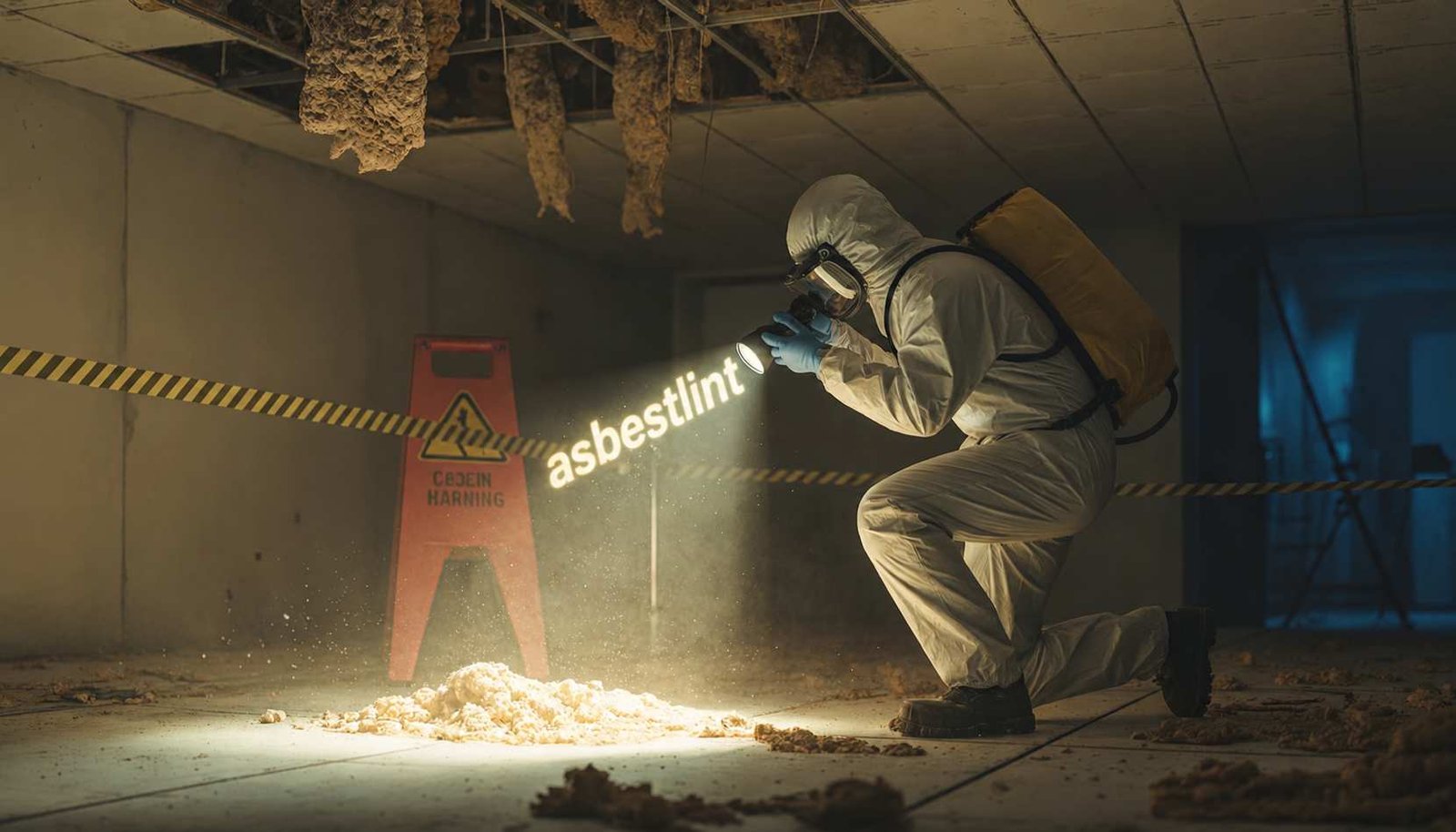
Introduction: Why Asbestlint Is Getting Attention Today
In recent years, the term asbestlint has started appearing more often in online discussions, blogs, and home safety guides. Many people are becoming aware of hidden environmental risks inside their homes, especially related to air quality and old building materials. This growing awareness is one reason why asbestlint is gaining attention in 2026.
Another reason is the increase in home renovations and property upgrades. When people renovate older houses, they may unknowingly disturb materials that release harmful particles into the air. This has led to more conversations around asbestos-related concerns, and asbestlint has emerged as a term describing these mixed risks.
Lastly, people today are more health-conscious than ever. They want to understand what they are breathing and how it affects their well-being. Asbestlint, whether a formal term or not, helps explain a real concern—airborne particles that may carry potential health risks if ignored.
What Is Asbestlint?
Asbestlint is not an official scientific term, but it is commonly used to describe a mix of asbestos fibers, dust, and lint particles that can accumulate in indoor environments. It usually forms in older buildings where asbestos-containing materials may still be present.
In simple words, asbestlint refers to tiny airborne particles that may include dangerous fibers. These particles are often too small to see with the naked eye, but they can travel through the air and settle on surfaces like furniture, carpets, and ventilation systems.
Understanding asbestlint helps people connect the dots between everyday dust and potential health hazards. It highlights the importance of maintaining clean air and being cautious in environments where asbestos might exist.
Asbestlint vs Asbestos vs Household Dust
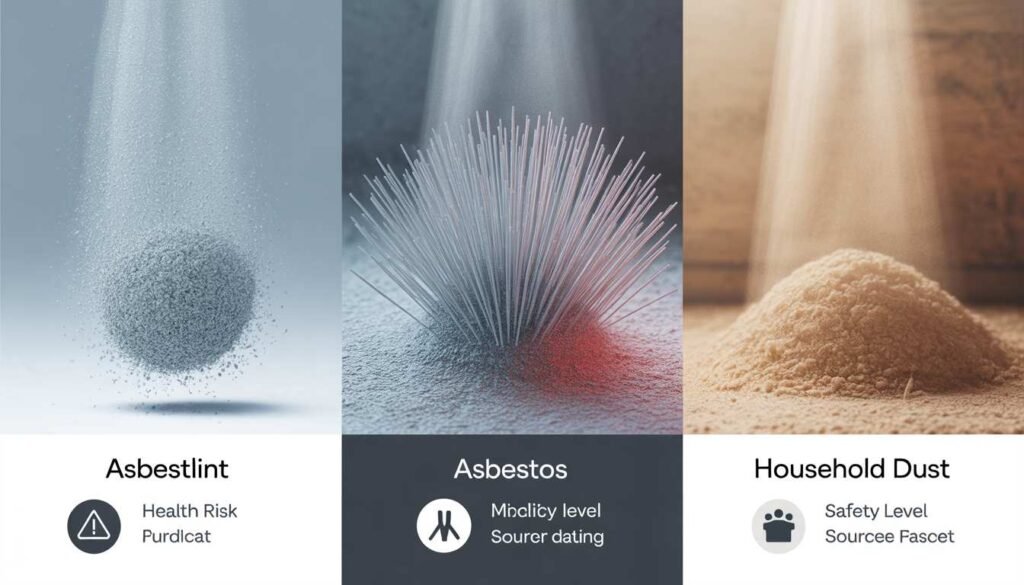
| Feature | Asbestlint | Asbestos | Household Dust |
| Definition | A term often used to describe dust contaminated with asbestos fibers | A naturally occurring mineral fiber used in construction materials | A mix of tiny particles like dirt, skin cells, pollen, and fibers |
| Nature | Potentially hazardous if it contains asbestos particles | Highly hazardous material | Usually harmless (in small amounts) |
| Source | Comes from damaged asbestos materials (walls, insulation, ceilings) | Found in old buildings, insulation, roofing, pipes | Found in homes, furniture, carpets, and air |
| Visibility | Looks like normal dust (hard to identify) | Usually hidden inside materials, not visible unless disturbed | Clearly visible as dust accumulation |
| Health Risk | Dangerous if inhaled (due to asbestos contamination) | Very dangerous; causes serious diseases | Mild irritation or allergies in some people |
| Diseases Linked | Same risks as asbestos exposure | Linked to Mesothelioma, Lung Cancer, Asbestosis | Allergies, asthma, sneezing |
| Smell | No smell | No smell | Sometimes musty smell |
| Legal Status | Not a formal legal term | Strictly regulated or banned in many countries | No legal restrictions |
| Safety Level | High risk if contaminated | Extremely high risk | Low risk (generally safe) |
| Removal Method | Requires professional inspection if suspected | Must be removed by licensed experts | Can be cleaned with regular household methods |
| Common Misconception | People think it’s just normal dust | Many think it’s safe if not touched | Often underestimated but mostly harmless |
How Asbestlint Forms Over Time
Asbestlint develops gradually, especially in older buildings. Over time, materials that contain asbestos begin to break down due to age, wear, and environmental factors. This process releases tiny fibers into the air.
These fibers then mix with common household particles like lint from clothing, dust, and dirt. Poor ventilation makes the situation worse by allowing these particles to accumulate instead of being filtered out.
Renovation or construction activities can speed up this process. When walls, ceilings, or insulation are disturbed, more particles are released, increasing the chances of asbestlint formation.
Hidden Places Where Asbestlint Can Be Found in Homes
Asbestlint is often found in places people rarely check. Attics and ceilings are common areas because they may contain old insulation materials that degrade over time. These spaces are usually overlooked during cleaning.
Another hidden spot is the HVAC system. Air vents and ducts can collect particles and spread them throughout the house. If asbestos fibers are present, they can circulate continuously without being noticed.
Basements and storage areas are also high-risk zones. These areas often have older construction materials and poor ventilation, making them ideal places for asbestlint to build up.
Signs Your Home May Have Asbestlint
One of the first signs is unusual dust buildup that seems to return quickly after cleaning. This could indicate that particles are continuously circulating in the air rather than settling.
Another warning sign is poor indoor air quality. If you notice a musty smell or feel discomfort while breathing indoors, it may be due to airborne particles, including possible asbestlint.
Health-related symptoms can also be a clue. Frequent coughing, sneezing, or irritation without a clear cause might suggest that your home environment needs attention.
READ ALSO :- Repmold: A Complete Guide to Its Meaning, Uses, Benefits and Future
Health Risks of Asbestlint Exposure
Exposure to asbestlint can affect health depending on the level and duration of contact. Since it may contain asbestos fibers, the risks can range from mild irritation to more serious conditions over time.
The biggest concern is inhalation. When tiny fibers enter the lungs, they can stay there for a long time, causing damage that may not be immediately noticeable.
Understanding these risks helps people take preventive steps early. Awareness is key to reducing long-term health problems.
Short-Term Effects
Short-term exposure may cause mild symptoms like throat irritation, coughing, or sneezing. These effects are often temporary but should not be ignored if they happen frequently.
Some individuals may experience allergic reactions or breathing discomfort. This is especially true for people with existing respiratory conditions like asthma.
Although short-term effects are usually not severe, they can be a warning sign that something is wrong with indoor air quality.
Long-Term Risks
Long-term exposure is more serious and can lead to chronic respiratory problems. In cases involving asbestos fibers, there is a risk of developing conditions like lung disease.
These health issues often take years to develop, which makes them harder to detect early. This is why prevention and awareness are so important.
Consistent exposure without proper precautions increases the chances of long-term damage, making it essential to address the problem early.
How Dangerous Is Asbestlint? (Risk Level Explained)
The danger level of asbestlint depends on its composition. If it contains asbestos fibers, the risk becomes significantly higher compared to regular dust.
Low exposure in well-ventilated areas may not pose a major threat. However, repeated exposure in closed or poorly maintained spaces increases the risk over time.
People living in older homes or working in renovation environments are more vulnerable. Understanding your environment helps you assess the level of risk more accurately.
How to Handle or Remove Asbestlint Safely
Handling asbestlint requires caution because disturbing particles can make the situation worse. The goal is to minimize exposure while safely cleaning or removing contaminated materials.
Professional help is often recommended, especially if asbestos is suspected. Experts have the right tools and protective equipment to handle the situation safely.
For minor concerns, careful cleaning methods can reduce risk. However, safety should always come first.
Do’s (Safe Practices)
Always use protective gear like masks and gloves when cleaning areas with potential asbestlint. This reduces the risk of inhaling harmful particles.
Use damp cleaning methods instead of dry sweeping. Moisture helps trap particles and prevents them from becoming airborne.
Ensure proper ventilation while cleaning. Fresh air circulation helps remove suspended particles from the environment.
Don’ts (Common Mistakes)
Do not use vacuum cleaners without proper filters, as they can spread particles into the air. Regular vacuums are not designed to handle hazardous fibers.
Avoid aggressive cleaning methods like brushing or scrubbing. These actions can release more particles into the air.
Never attempt to remove asbestos-containing materials without proper knowledge. This can increase exposure and create a more dangerous situation.
Prevention Tips to Keep Your Home Safe
Regular cleaning and maintenance play a key role in preventing asbestlint buildup. Keeping your home dust-free reduces the chances of particle accumulation.
Improving ventilation is another important step. Good airflow helps remove airborne particles and keeps indoor air fresh.
If you live in an older home, consider professional inspections. Identifying risks early can prevent bigger problems in the future.
Myths and Facts About Asbestlint
One common myth is that asbestlint is always dangerous. In reality, the risk depends on whether asbestos fibers are present and in what quantity.
Another misconception is that all dust is harmful. While some dust can carry risks, not all dust is dangerous. Understanding the difference helps avoid unnecessary panic.
A key fact is that awareness and proper handling can significantly reduce risks. Knowing what to look for and how to respond makes a big difference.
Frequently Asked Questions (FAQs)
1. Is asbestlint the same as asbestos?
No, asbestlint is not the same. It may include asbestos fibers mixed with dust and lint, but it is not a pure material like asbestos.
2. Can I remove asbestlint myself?
You can handle minor cleaning carefully, but if asbestos is suspected, it is safer to call professionals.
3. Is asbestlint always harmful?
Not always. The risk depends on its composition and level of exposure.
4. How can I test for asbestlint?
Testing usually involves professional inspection and air quality analysis to detect harmful particles.
5. Where is asbestlint most commonly found?
It is often found in older homes, especially in attics, basements, and ventilation systems.
Final Thoughts: Staying Safe and Informed
Asbestlint may not be a formal scientific term, but it represents a real concern related to indoor air quality and hidden environmental risks. Understanding what it is and how it forms helps you stay aware of potential dangers.
The key to safety is knowledge and prevention. By maintaining clean spaces, improving ventilation, and taking precautions during renovations, you can reduce the risks associated with asbestlint.
In the end, staying informed is your best defense. A little awareness today can protect your health and your home for years to come.